
Note · 27 January 2026
When van stock is theatre
Technicians stop opening the parts screen long before finance notices. The gap usually starts with a catalogue that never matched the cage.
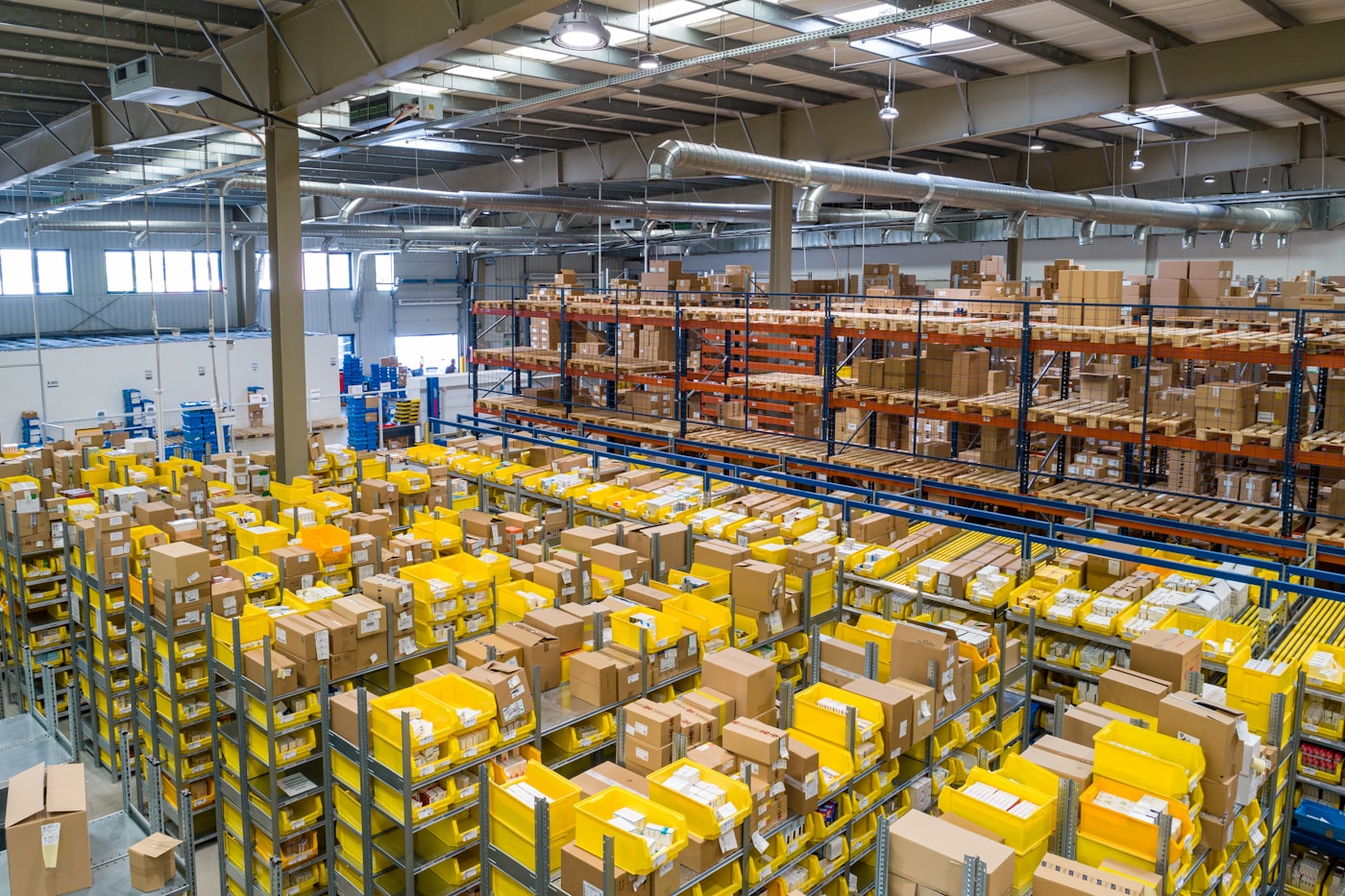
In most yards we visit, someone can show us a van-stock screen that looks complete. Serial numbers, min-max levels, last count date. Then we open the van. The screen and the shelves have a polite relationship at best.
The break is rarely theft. It is a catalogue that was loaded from a vendor price list, a unit of measure that changed when a supplier switched from boxes to pieces, and a replenishment job that posts after the crew has left Ampang for the first site. Technicians invent a private list on paper or in a chat group. The application continues to report that the van is ready.
An audit that only samples the database will bless this theatre. We count. We pick twenty recent jobs and ask where the part came from. If the answer is “I bought it on the way” or “it was in the other van,” the inventory module is not a record of work. It is a display.
Repair starts with a smaller catalogue, a count the stores team will actually repeat, and a rule that a job cannot close on a generic part code without a named exception. None of that requires a new platform. It does require someone to say the current screen is not to be trusted.